
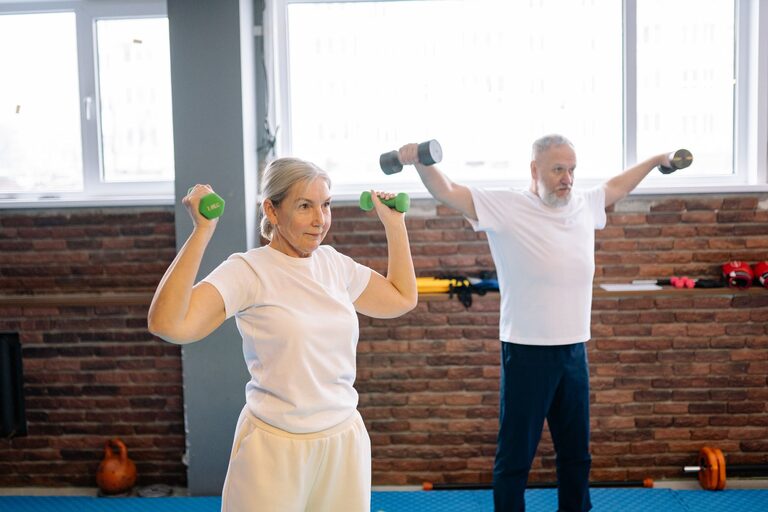
Staying active after 50 does not require an intense workout plan or hours at the gym. Small, consistent strength-building habits can help you feel more capable during everyday activities, from carrying groceries to climbing stairs or gardening.
Strength training is not only about building larger muscles. It also supports movement, balance, posture, and confidence. The most effective approach is one you can repeat regularly and adjust to your abilities, schedule, and interests.
Start With Everyday Strength
Strength-building does not have to begin with complicated equipment. Many daily activities can become opportunities to practice controlled movement.
Try adding more purposeful movement to your routine:
– Carry light grocery bags instead of using a cart for every item.
– Stand up and sit down from a chair several times during the day.
– Take the stairs when it feels comfortable.
– Lift and store lightweight household items.
– Do simple yardwork, such as raking or planting.
– Walk at a steady pace that feels slightly challenging.
These activities may seem small, but they help you practice useful movement patterns. Over time, regular practice can make daily tasks feel easier.
Build a Simple Weekly Routine
A good starting point is two or three strength sessions each week. Allow a rest day between sessions if your body needs more recovery.
Each session can last 20 to 30 minutes and include:
- A few minutes of easy movement to warm up.
- Four to six simple strength exercises.
- A short cool-down with relaxed movement.
You do not need to train every muscle separately. Focus on exercises that use several muscle groups at once and reflect the movements you use in daily life.
For example, a basic routine might include:
– Sit-to-stand movements from a sturdy chair
– Wall pushups
– Step-ups on a low step
– Standing calf raises
– Resistance band rows
– Light carries, such as holding two small weights while walking
Begin with one set of each exercise. As the movements become more familiar, consider adding a second set or a few more repetitions.
Practice the Main Movement Patterns
A balanced routine includes several basic movement patterns. Learning these patterns can help you choose exercises without needing a complicated program.
Squat and Sit
Squatting is similar to sitting down and standing up. Start with a chair behind you. Keep your feet comfortable, move your hips back, and lower yourself with control. Lightly touch the chair, then stand again.
This exercise can be adjusted by using your hands on the chair or by choosing a higher seat.
Push
Pushing movements work the upper body and can support tasks such as opening doors or placing items on a shelf. Wall pushups are a convenient option.
Stand a step away from a wall, place your hands at chest height, and bend your elbows to bring your body toward the wall. Push back to the starting position. To make the movement more challenging, use a lower surface, such as a sturdy countertop.
Pull
Pulling exercises strengthen the back and support upright posture. A resistance band can be attached securely to a fixed point, or you can hold the band in both hands and gently pull your elbows back.
Keep your shoulders relaxed and avoid jerking the band. Smooth, controlled movement is more important than using heavy resistance.
Step and Balance
Step-ups and balance exercises help you practice moving from one level to another. Use a low step and keep a stable surface nearby for support.
You can also practice standing on one foot while holding the back of a chair. Start with a few seconds on each side. The goal is steady control, not standing for a long time without support.
Carry
Carrying light objects is a practical way to train the arms, shoulders, and core. Hold a light weight or household item in each hand and walk slowly for a short distance.
Keep your posture tall and your steps controlled. Increase the distance before increasing the weight.
Use the Right Amount of Challenge
Strength improves when your muscles face a manageable challenge. However, more weight is not always better. The right level should allow you to complete the exercise with good form and steady breathing.
A useful guideline is to finish a set feeling that you could perform a few more repetitions if needed. If you lose control, hold your breath, or need to swing the weight, reduce the resistance or take a break.
Progress gradually by changing one factor at a time:
– Add one or two repetitions.
– Add another set.
– Use a slightly stronger resistance band.
– Increase the walking distance while carrying a light object.
– Try a more challenging version of the same movement.
Small improvements are easier to maintain than sudden changes.
Make Movement Easier to Remember
Consistency often depends more on routine than motivation. Connect strength exercises to habits you already have.
For example:
– Practice sit-to-stands after your morning coffee.
– Do wall pushups while waiting for water to boil.
– Perform calf raises while brushing your teeth.
– Take a short walk after lunch.
– Keep a resistance band in a visible location.
– Schedule strength sessions on specific days.
You can also use a simple checklist to record your sessions. Marking each completed workout creates a clear reminder of your progress without requiring complicated tracking.
Support Strength With Daily Movement
Strength sessions are valuable, but they work best alongside regular movement throughout the day. Long periods of sitting can make the body feel stiff and reduce opportunities to move.
Try breaking up sitting time with brief activity:
– Walk around the room every hour.
– Stretch gently during television breaks.
– Take a short walk after a meal.
– Do a few shoulder rolls and ankle movements at your desk.
– Choose active hobbies, such as dancing, hiking, swimming, or gardening.
The best activity is one you enjoy enough to continue. Variety can also keep your routine interesting and help you practice different types of movement.
Focus on Technique and Comfort
Good technique helps make exercises more comfortable and effective. Move slowly enough to stay in control, keep your breathing natural, and avoid forcing a joint into an uncomfortable position.
A little effort is expected, but sharp pain or unusual discomfort is a reason to stop and reassess. Choose an easier version, take more rest, or ask a qualified fitness professional to review your technique if you are unsure where to begin.
Supportive shoes, a clear exercise area, and sturdy equipment can also make your routine more comfortable. Remove loose rugs or other trip hazards before practicing balance exercises.
Keep the Long View
Strength-building results come from repeated practice, not from one difficult workout. Some weeks will be more active than others, and that is normal. If you miss a session, simply return to your routine at the next opportunity.
Set practical goals that focus on ability rather than appearance. You might aim to stand from a chair more easily, carry groceries with confidence, walk farther, or complete household tasks without tiring as quickly.
After 50, staying strong can be simple, flexible, and enjoyable. By practicing basic movements, adding manageable resistance, and making activity part of your daily routine, you can build habits that support an active lifestyle for years to come.