
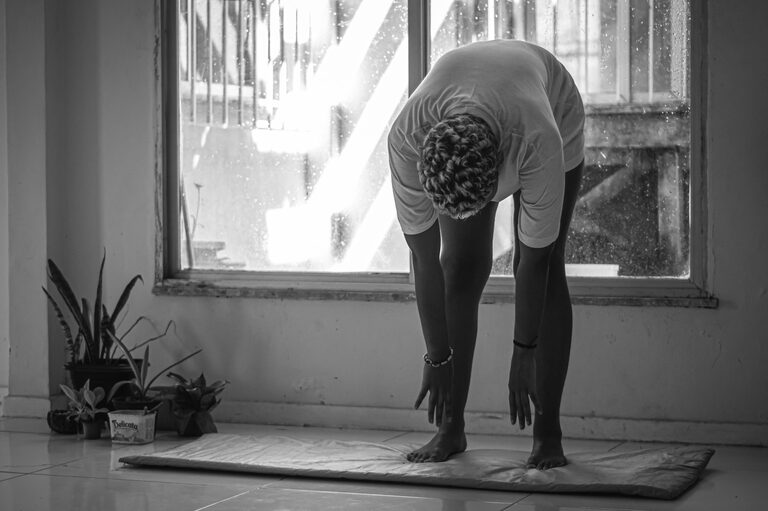
Why Balance and Mobility Matter
Balance helps you stay steady while standing, walking, turning, and reaching. Mobility refers to how easily and comfortably you can move your joints and body through everyday motions.
Good balance and mobility can make daily activities feel easier, from climbing stairs to getting up from a chair. You do not need special equipment or a gym membership to work on these skills. A few simple exercises, practiced regularly, can support steadier movement and greater confidence.
Before you begin, choose a clear area with a stable chair, countertop, or wall nearby. Move slowly, breathe normally, and stop if you feel sharp pain, dizziness, or unusual discomfort. If you have a health condition, recent injury, or concerns about exercise, talk with a qualified professional before starting.
Start With a Simple Warm-Up
A short warm-up prepares your muscles and joints for movement. It can also help you pay attention to how your body feels before you begin more challenging exercises.
Try this five-minute warm-up:
– Walk slowly around the room for one to two minutes.
– Roll your shoulders forward and backward.
– Gently turn your head from side to side.
– Open and close your hands several times.
– March in place while holding a stable surface if needed.
– Take a few slow, comfortable breaths.
The goal is not to stretch as far as possible. Use relaxed, controlled movements that gradually increase your range of motion.
Practice Sit-to-Stand Movements
Standing up from a chair is a useful exercise because it strengthens the legs and encourages controlled movement. It also mirrors an action you perform throughout the day.
How to do it
- Choose a sturdy chair that does not slide.
- Sit near the front of the seat with your feet flat on the floor.
- Place your feet about hip-width apart.
- Lean your upper body slightly forward.
- Press through your feet and stand up slowly.
- Pause briefly, then lower yourself back down with control.
Start with five repetitions and rest as needed. Over time, work toward two sets of eight to ten repetitions. Use your hands on the chair or your thighs for support if necessary. Avoid dropping quickly into the seat, since the lowering phase is an important part of the exercise.
Improve Stability With Supported Standing
Standing exercises can train your body to make small adjustments while you remain in place. Always perform them beside a counter, heavy table, or sturdy chair.
Weight shifts
Stand with your feet comfortably apart and your hands lightly touching a stable surface. Slowly shift your weight from one foot to the other without lifting your feet. Keep your torso upright and your movements smooth.
Repeat for 30 seconds, rest, and complete two or three rounds.
Heel-to-toe stance
Place one foot slightly in front of the other, as if standing on a line. Keep your gaze forward and hold the position for 10 to 20 seconds. Switch the position of your feet and repeat.
If this feels difficult, leave a small gap between your feet. As your balance improves, gradually bring them closer together.
Single-leg balance
Hold the back of a sturdy chair and lift one foot just a small distance from the floor. Keep your standing knee soft rather than locked. Hold for five to ten seconds, then switch sides.
The aim is steady control, not a long hold. Keep both hands on the support at first, then progress to one hand if you feel secure. Do not close your eyes while practicing this exercise.
Add Gentle Mobility Exercises
Mobility exercises help you move your joints through comfortable ranges. They work well after a warm-up or during short breaks throughout the day.
Ankle circles
Sit or stand with support nearby. Lift one foot slightly and slowly circle the ankle in one direction, then the other. Complete five to ten circles per direction on each side.
Ankle mobility can support more comfortable walking and make it easier to adjust your feet during balance exercises.
Hip marching
Sit tall in a chair with both feet on the floor. Lift one knee toward your chest without leaning backward, then lower it slowly. Alternate sides for eight to ten repetitions.
You can also perform this while standing and holding a counter. Keep the movement small and controlled.
Wall slides
Stand with your back near a wall, keeping your feet a comfortable distance away. Bend your arms so your elbows are near your sides. Slowly slide your arms upward as far as comfortable, then lower them.
Keep your shoulders relaxed and avoid forcing the range of motion. Repeat five to eight times.
Gentle torso turns
Sit or stand tall with your arms crossed loosely over your chest. Turn your upper body to one side while keeping your hips facing forward. Return to the center and turn to the other side.
Complete five repetitions on each side. The movement should feel easy and controlled, not like a forceful twist.
Use Walking to Build Everyday Mobility
Walking is one of the simplest ways to practice balance and mobility. It combines leg strength, coordination, posture, and the ability to shift weight from side to side.
Create a safe walking path inside your home or choose a familiar outdoor route. Begin with five to ten minutes at a comfortable pace. Focus on:
– Looking ahead instead of constantly looking at the floor
– Keeping your steps even and controlled
– Allowing your arms to swing naturally
– Turning slowly rather than making sudden changes in direction
– Lifting your feet enough to clear the floor
You can add variety by walking in different directions, such as forward, backward, or sideways. Practice these changes only in a clear area with support nearby, and take very small steps.
Include Stretching Without Forcing It
Stretching can help you maintain comfortable movement, especially when you spend much of the day sitting. Hold each stretch for about 15 to 30 seconds and breathe normally.
Useful options include:
– A seated calf stretch with one leg extended
– A standing thigh stretch while holding a chair
– A gentle chest stretch in a doorway
– A seated hamstring stretch with your back straight
– An overhead side stretch
You should feel mild tension, not pain. Avoid bouncing or pushing into a deep stretch. Regular, gentle practice is usually more useful than occasional intense sessions.
Create a Short Weekly Routine
Consistency matters more than doing a long workout once in a while. Try this simple routine three to five days per week:
- Warm up for five minutes.
- Complete sit-to-stand exercises.
- Practice weight shifts and heel-to-toe standing.
- Add two or three mobility exercises.
- Walk for five to fifteen minutes.
- Finish with gentle stretches.
On busy days, divide the routine into short sessions. For example, practice sit-to-stands in the morning, mobility exercises during a midday break, and a short walk in the evening.
Make Your Home Safer for Practice
A safe environment supports better movement and lowers the chance of tripping. Before exercising:
– Remove loose rugs, cords, and clutter from the floor.
– Keep frequently used items within easy reach.
– Improve lighting in hallways and stair areas.
– Wear shoes that fit well and have a secure sole.
– Avoid practicing on slippery surfaces.
– Keep a stable support within reach.
Progress gradually. You might begin with more support, fewer repetitions, and shorter sessions. As movements become easier, add a few repetitions, hold a balance position slightly longer, or reduce your hand support. Change only one part of the routine at a time.
Keep the Focus on Control
Better balance and mobility develop through steady practice, patience, and attention to safe movement. You do not need to move quickly or perform difficult exercises to make progress. Start with manageable activities, repeat them regularly, and notice small improvements in comfort and confidence.
If you experience persistent pain, repeated loss of balance, dizziness, or a sudden change in your ability to move, stop exercising and seek guidance from a qualified health professional.