
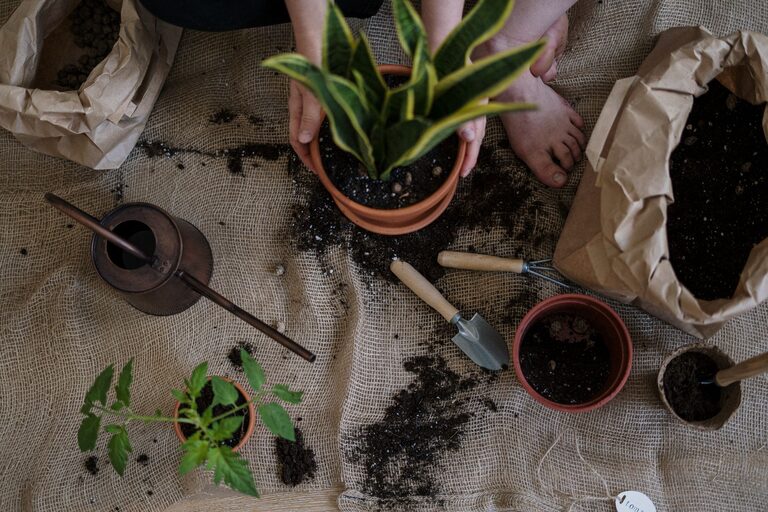
Gardening is a rewarding way to spend more time outdoors while keeping your body moving. You do not need a large yard, expensive tools, or years of experience to get started. A few simple projects can help you build gardening skills while adding color, food, and personality to your outdoor space.
The key is to choose projects that match your space, schedule, and comfort level. Start small, work at a steady pace, and take breaks when needed. These beginner-friendly ideas involve walking, reaching, lifting light materials, digging, watering, and other natural movements.
1. Create a Container Garden
Container gardening is one of the easiest ways to begin. It works well on patios, balconies, porches, and small outdoor areas. You can grow flowers, herbs, salad greens, or compact vegetables in pots.
How to get started
Choose containers with drainage holes and place them where plants will receive the right amount of sunlight. Add potting mix, select a few beginner-friendly plants, and water them according to their needs.
Good choices include:
– Basil and parsley
– Lettuce and spinach
– Marigolds and pansies
– Cherry tomatoes
– Strawberries
– Green onions
The project keeps you moving as you carry supplies, fill containers, arrange pots, and water plants. To make the garden more interesting, place containers at different heights using sturdy plant stands or shelves.
2. Build a Small Raised Bed
A raised bed gives you a defined space for vegetables, herbs, or flowers. It can be as simple as a wooden frame filled with soil, or it can be made from recycled materials designed for outdoor use.
Choose a level location with enough sunlight. Keep the bed small enough that you can reach the center from the sides without stepping into it. A bed that is about three to four feet wide is often easy for beginners to manage.
Basic steps
- Mark the garden area.
- Remove grass and large weeds.
- Assemble or place the bed frame.
- Add garden soil and compost.
- Plant seeds or young plants.
- Water the bed thoroughly.
Preparing the bed involves walking, bending, light digging, and spreading soil. Planting and caring for it will give you regular reasons to return outdoors throughout the growing season.
3. Start a Simple Herb Garden
An herb garden can be created in a small corner, a window box, or several containers. Fresh herbs are useful in everyday cooking, and many grow quickly with basic care.
Try planting mint, chives, thyme, oregano, cilantro, or basil. Keep mint in its own container because it can spread quickly when planted directly in the ground.
Arrange herbs in a space that is easy to reach. Watering, trimming, checking leaves, and harvesting all add gentle movement to your routine. You can also create labels from wooden sticks, smooth stones, or leftover craft materials.
4. Plant a Pollinator-Friendly Flower Patch
A small flower patch can bring color and seasonal interest to your yard while creating a welcoming space for bees, butterflies, and other pollinators. Choose flowers that grow well in your area and bloom at different times.
Begin by clearing a small section of soil. Remove weeds, loosen the top layer, and add compost if needed. Plant a mix of flowers rather than relying on one type. Sunflowers, zinnias, coneflowers, lavender, and cosmos are popular options, depending on local conditions.
This project encourages several types of movement, including preparing soil, carrying watering cans, planting, and removing weeds. Once the flowers grow, you will have an enjoyable reason to walk through the garden and observe changes from week to week.
5. Make a Garden Path
A garden path can improve the look of your outdoor space and connect different planting areas. It does not have to be complicated. You can use stepping stones, wood chips, gravel, or flat pieces of bark.
First, decide where you want the path to go. Use string or a garden hose to outline the shape. Clear away weeds and loose debris, then add your chosen material.
Placing stones or spreading mulch involves walking, lifting manageable amounts, bending, and arranging materials. Keep the path level and wide enough to use comfortably. A simple path also makes it easier to inspect plants, water containers, and reach garden beds.
6. Create a Vertical Garden
Vertical gardening lets you grow plants upward instead of spreading them across the ground. It is useful for small spaces and can turn a plain wall, fence, or railing into a green feature.
Use a sturdy trellis, wall planter, hanging basket, or garden shelf. Beginner-friendly vertical plants include peas, beans, cucumbers, trailing flowers, and some varieties of strawberries.
Set up the structure securely before adding plants. As the garden grows, you will spend time tying stems, checking supports, watering, and harvesting. These tasks involve reaching and walking around the growing area, making the project both practical and active.
7. Refresh an Existing Garden Bed
You do not need to create a new garden to stay active. Refreshing an existing bed can be a satisfying weekend project. Start by removing dead plants, fallen branches, and unwanted weeds. Then trim overgrown plants, loosen compacted soil, and add a fresh layer of mulch.
Work in short sections instead of trying to finish the entire bed at once. This approach makes the project feel manageable and gives you time to notice which plants are thriving.
You can finish the refresh by adding a few new flowers, repositioning garden decorations, or installing simple plant labels. The result is a cleaner, more organized space with less effort than starting from scratch.
8. Set Up a Garden Watering Station
A watering station keeps your tools organized and makes regular plant care easier. Place a sturdy container, shelf, or small outdoor cart near the garden. Store a watering can, gloves, hand tools, plant ties, and labels in one convenient location.
You can personalize the station with weather-resistant paint or a simple sign. Moving tools into place, filling the watering can, and checking each plant creates a practical daily or weekly routine.
Keep tools dry when possible, and store sharp items safely. A well-organized station also reduces the time spent searching for supplies, leaving more time for planting and observing your garden.
Make Gardening a Regular Movement Habit
Gardening projects are easier to maintain when they become part of your routine. Set aside 10 to 20 minutes a few times a week for watering, weeding, harvesting, or tidying. Vary your tasks so the activity stays interesting.
To work comfortably:
– Wear shoes with good traction.
– Use tools that fit your hands.
– Lift smaller amounts of soil or mulch at a time.
– Change positions regularly.
– Keep water nearby.
– Take breaks during warm or sunny weather.
– Store tools where they are easy to reach.
The best project is one you will enjoy returning to. Whether you grow herbs in pots, build a raised bed, or refresh a few flower containers, gardening can add movement and purpose to your day. Start with one manageable idea, learn as you go, and let your garden grow along with your confidence.