
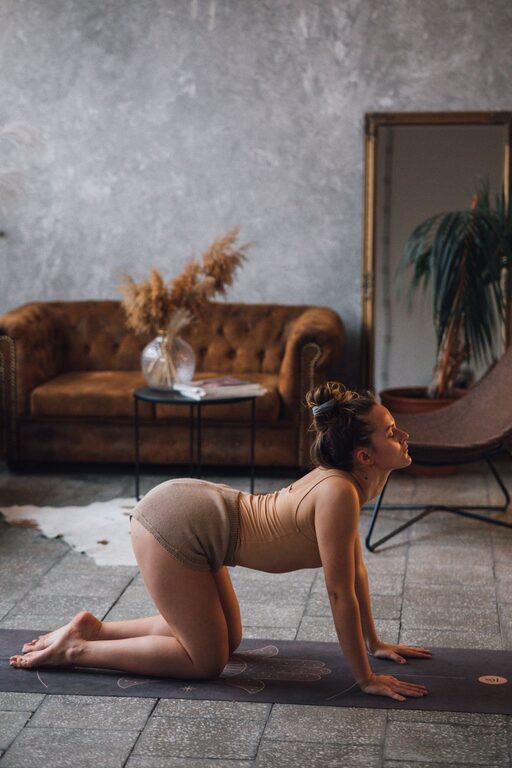
A dedicated stretching space can make it easier to slow down, move comfortably, and build a regular routine at home. You do not need a large room or expensive equipment. With a few thoughtful choices, a quiet corner can become a welcoming place for gentle movement and relaxation.
The goal is to create a space that feels comfortable, uncluttered, and easy to use. When your stretching area is ready, you are more likely to spend a few minutes there each day.
Choose the Right Location
Start by looking for an area with enough open floor space to move safely. This could be a corner of a bedroom, a section of the living room, a home office, or part of a finished basement.
You should be able to extend your arms and legs without bumping into furniture, walls, or decorations. A space measuring about 6 by 6 feet can work well for many basic stretches, although more room is helpful if you plan to include larger movements.
When choosing a location, consider these factors:
– Floor space: Make sure you can sit, stand, and lie down comfortably.
– Privacy: A quieter area may help you stay focused.
– Natural light: Daylight can make the room feel fresh and inviting.
– Noise levels: Avoid areas near loud appliances or busy walkways.
– Convenience: A space you pass regularly is easier to use consistently.
If you live in a small home, the stretching space does not need to be permanent. You can create a portable setup that is stored in a basket or closet and placed on the floor when needed.
Clear and Prepare the Area
Before adding accessories, remove anything that could distract you or create a tripping hazard. Move small tables, baskets, loose cords, and unnecessary decorations away from the main floor area.
A clear space can also make the room feel calmer. You do not need to create a completely empty room, but keeping the area simple can help you focus on your movement.
Check the floor carefully. Hard floors may feel uncomfortable during seated or lying stretches, while thick carpet may make balance more difficult. A firm, supportive surface with a comfortable mat is often a practical choice.
If the room has rugs, make sure they do not slide. Use a nonslip pad underneath, or remove loose rugs from the stretching area.
Select a Comfortable Mat
A stretching mat provides cushioning and creates a clear boundary for your practice. Choose one that is long and wide enough for your body and thick enough to feel comfortable on the floor.
Look for features such as:
– A nonslip surface
– Easy-to-clean material
– Enough cushioning for seated positions
– A size that fits your available space
– A texture that feels comfortable against your hands and feet
A yoga mat can work well, but you can also use a fitness mat, folded blanket, or firm exercise pad. If you use a blanket, place it on a stable surface so it does not bunch or slide during movement.
Keep the mat nearby rather than hidden at the back of a closet. A rolled mat in a basket or standing beside a shelf can serve as a visual reminder to take a few minutes for yourself.
Add Simple Supportive Equipment
You do not need a full collection of fitness accessories. A few basic items can make the space more comfortable and flexible.
Consider adding:
– A folded blanket: Useful for extra cushioning or warmth.
– A small cushion: Helpful for seated stretches.
– Two sturdy blocks: Can provide support and help bring the floor closer.
– A strap or belt: May help with gentle range-of-motion exercises.
– A bolster or firm pillow: Can support relaxed positions.
– A small towel: Convenient for wiping hands or adding light padding.
Choose equipment that is easy to store and simple to use. Avoid filling the area with items you rarely need. Too much equipment can make the space feel crowded and create more work before each session.
Place frequently used items in a basket, storage cube, or low shelf. Keep heavier objects securely stored so they cannot fall into the movement area.
Use Lighting to Create a Calm Mood
Lighting has a strong effect on how a room feels. Bright overhead lights may be useful during the day, but softer lighting can make evening stretching more relaxing.
If possible, use natural light during daytime sessions. Keep windows clean and avoid blocking them with large furniture. Light curtains can soften direct sunlight while keeping the room bright.
For evening use, consider:
– A dimmable floor or table lamp
– Warm-toned light bulbs
– A small lamp placed away from the mat
– Battery-operated candles or soft decorative lights
Make sure every light is placed securely and does not create a tripping hazard. Avoid open flames near blankets, curtains, or other fabric.
Keep the Design Simple
A relaxing stretching area should feel peaceful without becoming overly decorated. Choose a few elements that support comfort and reduce visual clutter.
Soft, neutral colors such as white, beige, gray, pale blue, or muted green can help create a calm appearance. You can also use colors that already make you feel comfortable. The most important factor is that the room feels inviting to you.
Useful design additions may include:
– A small plant
– A simple piece of wall art
– A soft throw blanket
– A small clock
– A basket for equipment
– A mirror placed safely against a wall
If you add a mirror, make sure it is firmly secured. A mirror can help you notice general alignment and movement, but it should not become a source of distraction or self-criticism.
Consider Sound and Scent
Sound can help establish a relaxing atmosphere. Some people prefer quiet, while others enjoy soft instrumental music, nature sounds, or a short guided audio session.
Keep a small speaker nearby if you use music, but choose a volume that allows you to remain aware of your surroundings. You can also create a short playlist that signals the start of your routine.
Scent is another optional detail. Fresh air, clean linens, or a mild room spray may be enough. Avoid strong scents if they feel distracting. Good ventilation is often the simplest way to keep the space fresh.
Make Safety Part of the Setup
A comfortable space should also be practical and safe. Keep walkways clear, secure loose cords, and inspect equipment regularly for signs of wear.
Use stable furniture only if you need light support, and avoid relying on rolling chairs, lightweight tables, or objects that can tip. Move slowly and stay within a comfortable range. Stretching should feel gentle rather than forced, and you should stop if you experience sharp or unusual discomfort.
If you are new to stretching, keep your first sessions simple. Focus on relaxed breathing, controlled movement, and comfortable positions rather than trying to achieve a specific level of flexibility.
Create a Routine You Will Use
The best stretching space is one that supports regular use. Decide when you are most likely to stretch. Some people prefer a few minutes in the morning, while others enjoy a quiet session before bed.
Start with a realistic goal, such as five to ten minutes several times a week. Keep the routine simple enough that it does not feel like another demanding task.
You can place a small checklist or calendar near the space to track your sessions. However, avoid making the process overly complicated. The purpose of the area is to make movement and relaxation easier.
Refresh the Space Occasionally
Even a well-designed stretching corner can start to feel ordinary over time. Refresh it every few weeks by washing the mat, organizing accessories, opening the windows, or changing a small decorative item.
You might also adjust the lighting or music based on the season and time of day. These small updates can help the space remain pleasant and encourage you to keep using it.
A relaxing home stretching space does not require a large budget or a dedicated room. With clear floor space, a comfortable mat, supportive accessories, and a calm atmosphere, you can create a practical area that makes gentle movement feel like a natural part of your day.