
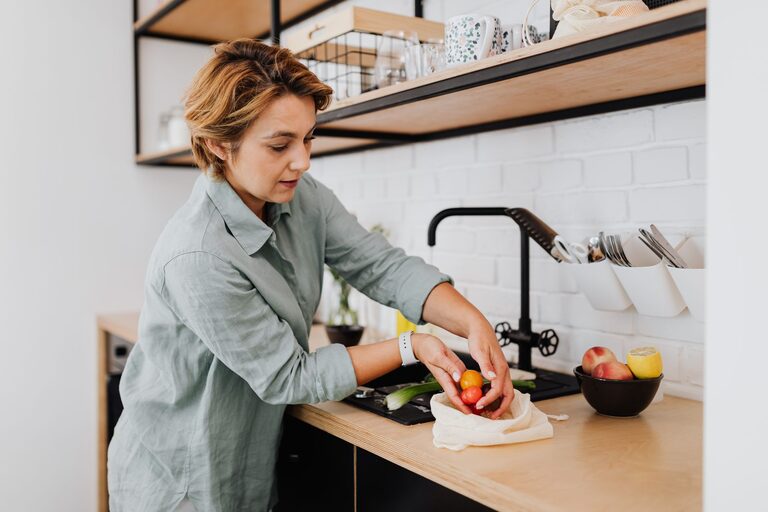
Staying active can make your schedule feel full from morning to evening. Between work, workouts, errands, family time, and rest, deciding what to eat may become an afterthought. Simple meal planning can make daily meals easier, more organized, and less stressful.
You do not need complicated recipes or hours in the kitchen. A few basic habits can help you prepare balanced meals, pack convenient snacks, and make better use of the food you already have.
Start With a Simple Weekly Plan
Meal planning does not have to mean mapping out every bite for seven days. Begin with a short plan that covers your busiest meals.
For example, choose:
– Three dinners
– Two easy lunches
– Two breakfast options
– Several snacks
– One flexible meal for leftovers or dining out
This approach gives you structure without making your schedule feel rigid. You can repeat favorite meals, switch ingredients, or adjust portions based on your activities.
Before planning, check your calendar. Look for days when you have a morning workout, a long commute, an evening class, or limited time to cook. Plan quick meals for those days and save longer recipes for when you have more time.
Build Meals With a Simple Formula
A useful meal-planning formula is to combine four basic parts:
- A protein source
- A carbohydrate source
- Fruits or vegetables
- A flavorful addition
This formula works for breakfast, lunch, and dinner. It also makes it easier to create different meals from the same ingredients.
For example, a lunch bowl might include:
– Grilled chicken, beans, eggs, tofu, or fish
– Rice, potatoes, pasta, quinoa, or whole-grain bread
– Roasted vegetables, salad greens, or fresh fruit
– Salsa, yogurt sauce, dressing, herbs, or a small amount of cheese
You can change the flavor with different seasonings and sauces. The same cooked rice and vegetables can become a burrito bowl one day and a stir-fry the next.
Choose Flexible Ingredients
The most useful meal-planning ingredients can be used in more than one dish. This helps reduce food waste and shortens preparation time.
Good flexible options include:
– Eggs
– Greek yogurt
– Beans and lentils
– Chicken or turkey
– Tofu
– Frozen vegetables
– Salad greens
– Potatoes
– Rice or pasta
– Oats
– Whole-grain tortillas
– Bananas, apples, berries, and oranges
– Nuts, seeds, and nut butter
Frozen fruits and vegetables are especially convenient. They are easy to store, require little preparation, and work well in smoothies, soups, stir-fries, and quick side dishes.
Prepare a Few Basics Ahead
Instead of cooking every meal in advance, prepare a few building blocks. A short preparation session can make the rest of the week easier.
Try preparing:
– A pot of rice, quinoa, or pasta
– A tray of roasted vegetables
– Cooked chicken, tofu, beans, or lentils
– Washed salad greens
– Hard-boiled eggs
– Overnight oats
– A simple dressing or sauce
– Washed and sliced fruit
Store ingredients in separate containers so you can combine them in different ways. Labeling containers with the date can also help you keep track of what should be eaten first.
If you have only a small amount of time, choose one task. Even washing produce or cooking a batch of grains can save time later.
Keep Breakfast Easy
A busy morning is easier when breakfast requires little thought. Choose options that can be prepared in advance or assembled quickly.
Make-Ahead Breakfast Ideas
– Overnight oats with fruit, yogurt, and nuts
– Egg muffins with vegetables
– Whole-grain toast with eggs and fruit
– Yogurt with berries and granola
– A smoothie with fruit, oats, yogurt, and nut butter
– Breakfast burritos prepared and frozen for later
For variety, use a different combination of fruit, spices, or toppings each day. Cinnamon, vanilla, cocoa powder, seeds, and chopped nuts can change the flavor without requiring a new recipe.
Pack Practical Lunches
Packed lunches are often more convenient than relying on last-minute choices. Build lunches from ingredients that travel well and can be eaten cold or reheated.
Try these combinations:
– Rice bowl with chicken, vegetables, and salsa
– Pasta salad with beans, tomatoes, spinach, and dressing
– Turkey or hummus wrap with vegetables
– Lentil soup with whole-grain bread
– Tuna or chickpea salad with crackers and fruit
– Leftover roasted vegetables with eggs and potatoes
Use a leak-resistant container and keep cold foods chilled with an ice pack. If you do not have access to a refrigerator, choose shelf-stable items such as whole fruit, nuts, roasted chickpeas, whole-grain crackers, and single-serve packaged foods.
Plan Snacks Before You Need Them
When you are active and busy, it is easy to wait too long between meals. Having snacks ready can make your day more comfortable and help you avoid searching for food at the last minute.
Easy snack ideas include:
– A banana with peanut butter
– Yogurt with fruit
– Trail mix
– Cheese with whole-grain crackers
– Vegetables with hummus
– A homemade oat bar
– Apple slices with nut butter
– A small sandwich
– Roasted chickpeas
– Smoothies stored in a chilled bottle
Keep a few options in places you use regularly, such as your desk, gym bag, car, or kitchen. Check them often and replace anything that has expired or melted.
Use a Mix of Fresh, Frozen, and Ready-to-Use Foods
A practical meal plan can include convenience foods. Prewashed greens, frozen vegetables, canned beans, rotisserie chicken, microwaveable grains, and prepared soups can all help save time.
The goal is not to make every item from scratch. Instead, combine convenient ingredients with fresh additions. For example, add frozen vegetables to a quick pasta dish, or serve a prepared soup with a salad and whole-grain toast.
This approach can make meal planning more realistic during busy weeks.
Create a Sample Active-Day Menu
Here is one example of a simple meal plan for a busy day:
Breakfast
Overnight oats with yogurt, banana slices, cinnamon, and seeds.
Midmorning Snack
An apple and a small handful of nuts.
Lunch
A chicken or tofu rice bowl with roasted vegetables and salsa.
Afternoon Snack
Whole-grain crackers with hummus and sliced vegetables.
Dinner
Pasta with beans or lean meat, tomato sauce, spinach, and a side salad.
Flexible Evening Option
Fruit with yogurt, or a small sandwich if you need something convenient.
You can adjust this outline based on your schedule, preferences, and available ingredients.
Leave Room for Flexibility
A good meal plan should support your routine, not make it harder. Plan for changes by keeping a few backup meals available.
Useful backup options include:
– Frozen vegetables with eggs and toast
– Canned soup with a sandwich
– Pasta with jarred sauce and beans
– A frozen grain bowl with added vegetables
– A smoothie with fruit, yogurt, and oats
– A baked potato with beans, cheese, or vegetables
You can also plan one leftover night each week. This helps clear the refrigerator and reduces the need to cook from scratch.
Make Planning a Weekly Habit
Set aside 15 to 30 minutes once a week to review your calendar, choose meals, and create a shopping list. Keep the process simple and repeat meals that work well.
Over time, you will build a personal list of reliable breakfasts, lunches, dinners, and snacks. Meal planning then becomes less about following a strict schedule and more about making everyday choices easier.
With a few flexible ingredients, basic preparation, and convenient snacks, you can create a meal routine that fits an active lifestyle without taking over your week.